The 125cc motorcycle segment in India has changed considerably over the last few years.
Buyers are no longer looking only for a motorcycle that delivers good fuel economy and handles the daily commute.
Styling, performance, connected features, braking technology, and overall road presence have become important parts of the buying decision.
The regular Pulsar 125 was created to bring the Pulsar name into a more affordable, commuter-oriented part of the market.
The NS125, meanwhile, was designed to bring the more aggressive Sports character of the larger NS motorcycles to riders looking for an entry-level performance motorcycle.
Since its launch, the motorcycle has evolved through key updates rather than being replaced by an entirely new generation.
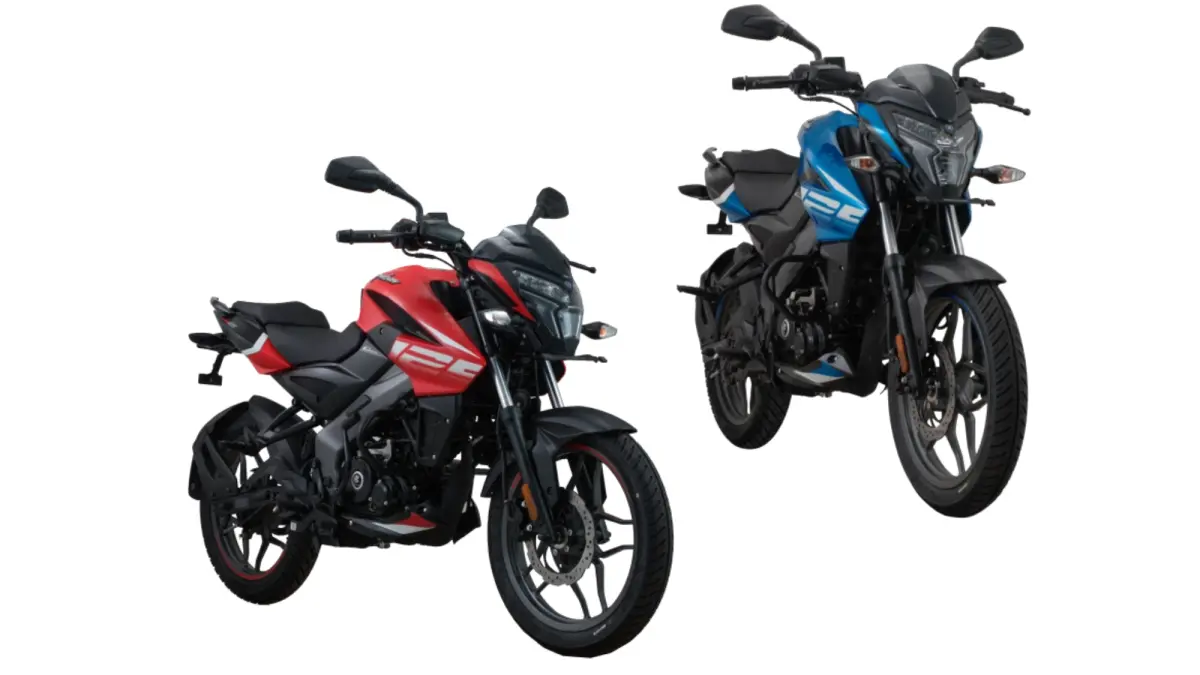
The updated Bajaj Pulsar NS125 has been spotted arriving at dealerships, showcasing notable feature and cosmetic refreshes that align with Bajaj's current product-wide update cycle.
While the standard Pulsar 125 recently migrated to a brand-new mechanical platform, the 2026 Pulsar NS 125 focuses on premium electronics and sharper styling rather than a full engine redesign.
What's New: Key Upgrades
Brand New Digital Cockpit
The outdated negative LCD screen has been replaced with a conventional, high-contrast full digital LCD console.
It displays a horizontal coloured tachometer arc, a prominent central speedometer layout, a gear position indicator, real-time mileage metrics, and a clock.
The system includes full Bluetooth integration, feeding call alerts, text notifications, and device battery status directly to the instrument cluster screen.
Strong indications suggest a higher-spec variant is coming, featuring a 5-inch full-colour TFT console.
This premium console adds app integration and Google Maps turn-by-turn navigation mirroring to the dashboard.
The left handlebar switchgear has been re-engineered with a dedicated tactile mode button, letting riders easily cycle through trip meters and safely pair electronic devices while riding.
Refreshed Graphics And Body Finishes
The updated model showcases refreshed styling accents, spotted in dual-tone palettes like Black with Red, Black with Neon Green, and Black with Grey.
The fuel tank shrouds and tail panels sport updated line graphics that bring the look closer to the aggressive aesthetics of the larger Pulsar NS200.
Safety And Hardware Enhancements
The updated bike arrives in multiple variants, including a premium tier that features single-channel ABS for better high-speed stopping power.
A handy USB charging port has been cleanly built near the handle assembly, letting riders power up devices on long commutes.
What Remains Unchanged
Engine And Performance
Expected Launch Timeline
The official launch is expected in the coming weeks.
Since bikes are already on the ground at select showrooms for dealer showcases, customer deliveries are projected to begin almost immediately after the formal price announcement.
Pricing Impact And Variant Structure
As this is a feature-led cosmetic refresh rather than a complete mechanical revision, the price hike is expected to be incremental but varies across the new multi-trim structure.
The entry-level model, replacing the old negative LCD screen with a fully digital unit, is expected to be priced around ₹1,04,922 (ex-showroom, Delhi), reflecting an increase of roughly ₹5,000 over the outgoing base version.
A potential top-spec model equipped with a 5-inch colour TFT display enabling Google Maps mirroring and turn-by-turn navigation, paired with single-channel ABS, is expected to push closer to the ₹1,08,000 to ₹1,10,000 (ex-showroom) mark.
With the latest LED lighting, connected console, and ABS-equipped variant, the NS125 has also moved considerably further from its original 2021 specification.