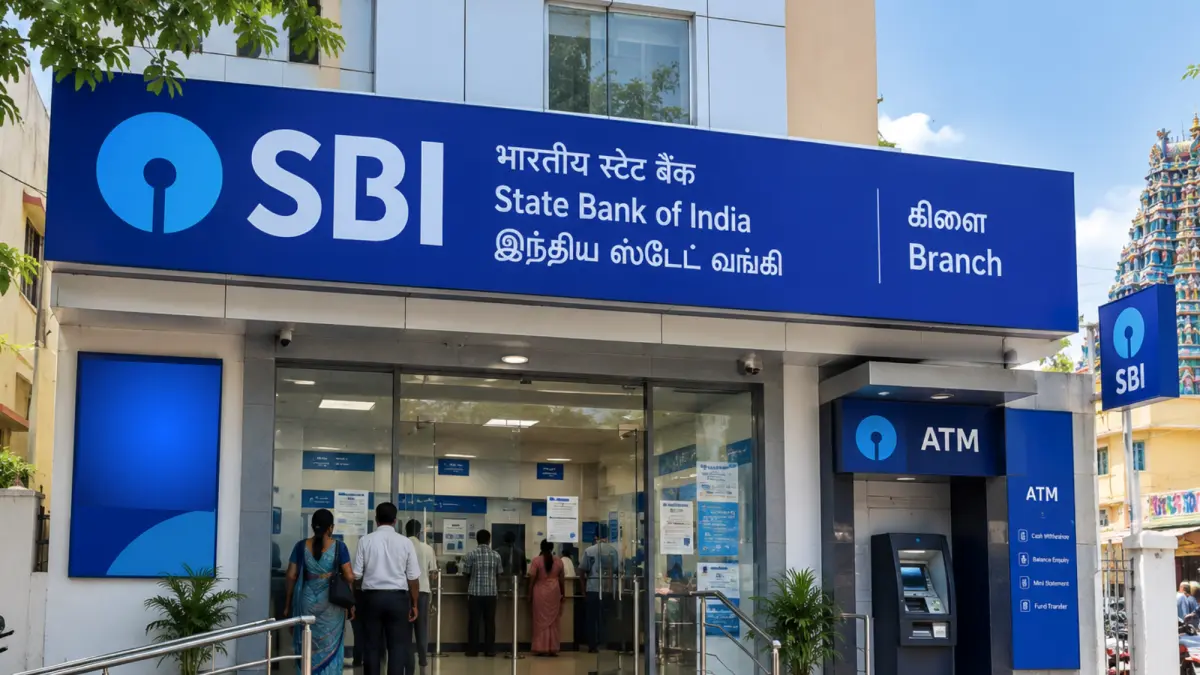
Banking services across India could face disruption as the United Forum of Bank Unions (UFBU) has called for a three-day nationwide strike from September 28 to 30.
Since the strike follows a weekend holiday, customers could potentially face an extended disruption in branch-based banking services.
The timing of the proposed strike is particularly significant as September 30 marks the half-yearly closing for banks.
Activities such as reconciliation, provisioning, treasury operations, and market-related work are typically carried out around this period, which could increase the impact of any disruption.
Customers who require services that involve a branch visit or assistance from bank employees may want to complete those tasks before the proposed strike dates.
Several public sector banks have also advised customers to make use of digital and alternative banking channels during the period.
These include mobile banking, internet banking, ATMs, UPI and Business Correspondent (BC) Points. Services that are available through these channels are expected to remain accessible if the strike goes ahead.
The proposed action could affect more than individual customers, with businesses, government transactions and international banking operations also potentially facing disruption.
Why Are Bank Unions Planning the Strike?
The main demand behind the proposed strike is a five-day banking week. The UFBU, which says it represents around 90% of the banking workforce, has maintained that it will proceed with the strike unless there is concrete, positive progress toward implementing the five-day banking system.
A conciliation meeting held on September 22 between the unions and representatives of the Department of Financial Services (DFS), the Ministry of Finance, and the Indian Banks' Association (IBA) ended without a resolution.
Following the meeting, the UFBU said it would consider withdrawing the proposed strike if there was concrete progress on its five-day banking demand. Without such progress, the unions said they would proceed with the September 28, 29 and 30 strike.
The unions have also raised other demands, including:
Improved pension benefits
A uniform dearness allowance formula for all pensioners
An option for employees covered under the National Pension System (NPS) to move to the Old Pension Scheme (OPS)
The UFBU had previously conducted a nationwide strike on September 11 over its demands.
Government's Response
The Finance Ministry and DFS have appealed to bank employees to avoid the strike and continue discussions to resolve the outstanding issues.
Government representatives told the conciliation meeting that several measures had been taken for bank employees' welfare and that the five-day banking week was under consideration.
However, they said the government would need to consider the views of other stakeholders before making a decision.
The government has argued that strikes disrupt banking services, inconvenience customers and affect bank operations. It has said that employee concerns should instead be addressed through dialogue and constructive engagement.
Meanwhile, the Finance Ministry said on September 23 that all banks, including regional rural banks, will remain open on Sunday to help customers amid the proposed UFBU strike.
Customers with important branch-dependent banking needs may therefore want to complete them before September 28 and use digital banking services where possible during the proposed strike period.