Income Tax Notice For Transaction? What Is Rule 114E? Reason In Detail
Thangaraja Palaniappan (Author) Published Date : Dec 09, 2023 15:55 ISTIndia
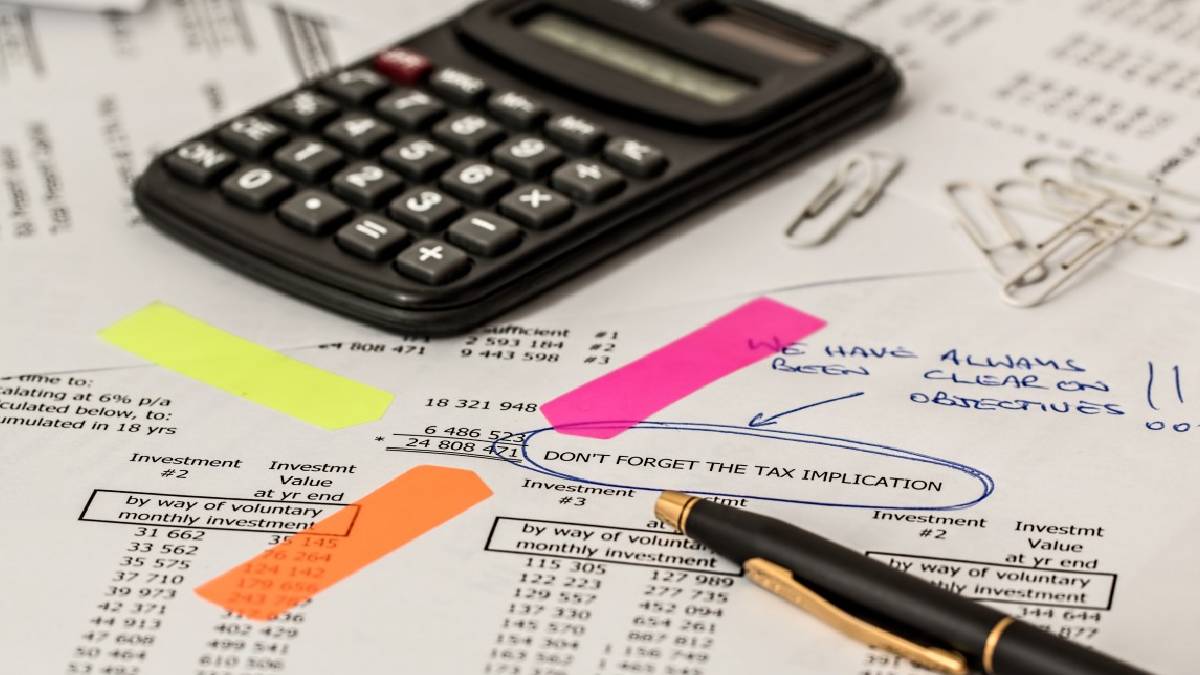
Be aware of the relevant tax rules and regulations, especially those outlined in Rule 114E, to ensure compliance before transactions from your savings/current bank accounts.
What is Rule 114E?
Rule 114E of the Income Tax Act 1961 mandates reporting certain high-value transactions to the tax department by banks, corporations, post offices, and NBFCs.
Rule 114E Requirements:
Individuals should be aware of Income Tax Rule 114E regarding income and expenditure from accounts to avoid coming under the income tax radar. Transactions exceeding the specified limits are reported under Rule 114E of the Income Tax Section 1962.
Notice by the Income Tax Department:
Engaging in significant cash transactions may lead to the issuance of a notice by the Income Tax Department. Cash-related dealings involving banks, mutual fund houses, brokerages, and property registrars are subject to reporting if they surpass specific thresholds.
The Income Tax Department has established collaborations with various government agencies to access the financial records of individuals involved in such transactions who fail to report them in their tax filings.
Below are the transactions that may trigger a notice from the Income Tax Department:
1. Deposits in Bank Fixed Deposits (FD):
- Cash deposits in bank FDs should not exceed Rs 10 lakh.
- Banks must disclose deposits exceeding the prescribed limit in one or more fixed deposits.
2. Deposits in Savings Bank Accounts:
- Cash deposits in a savings account should not exceed Rs 10 lakh.
- Deposits or withdrawals in a bank account exceeding Rs 10 lakh in a financial year must be reported to tax authorities. For current accounts, the limit is Rs 50 lakh.
3. Payment of Credit Card Bills:
- Payments of Rs 1 lakh or more in cash against credit card bills need to be reported.
- Payments of Rs 10 lakh or more in a financial year for settling credit card bills must be disclosed to the tax department.
- Credit card transactions are monitored, and any significant transaction should be disclosed while filing Income Tax Returns (ITR).
4. Immobilization Property Reporting:
- Property registrars must report any purchase or sale of immovable property for Rs 30 lakh or more to tax authorities.
- Individuals involved in property transactions exceeding Rs 30 lakhs may be scrutinized by the Income Tax Department.
5. Cash Transactions in Investments (Shares, Mutual Funds, Debentures, Bonds):
- Cash transactions in these investments should not exceed Rs 10 lakh.
- The Income Tax Department uses Annual Information Return (AIR) statements to track high-value transactions, and taxpayers should verify the details in Form 26AS.
6. Sale of Foreign Currency and Foreign Exchange Expenses:
- Receipt of Rs 10 lakh or more in a financial year for the sale of foreign currency must be reported.
- Expenses of Rs 10 lakh or more in a financial year for foreign exchange, including through debit/credit cards or traveller's cheques, should be notified to the income tax department.
In outline, individuals engaging in high-value cash transactions in various financial activities must be aware of the reporting thresholds and ensure compliance with tax regulations to avoid potential notices from the Income Tax Department. Individuals are advised to ensure compliance with applicable provisions to avoid tax implications under Rule 114E.