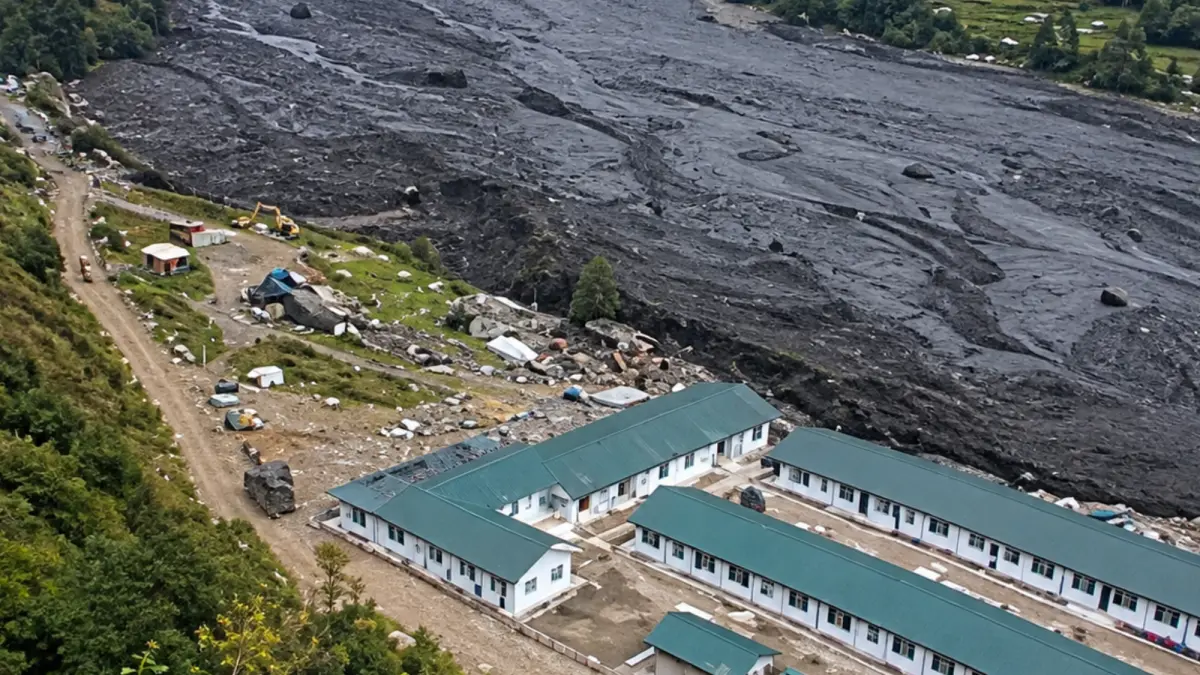
ially reported missing. Separately, four to five herders were also reported out of contact.
The total number of missing people was subsequently reported to have reached as many as 10, although authorities continued to verify the figures.
The Nepal Army rescued 49 people during the initial response. Rescue teams are continuing to assess the affected areas and search for missing residents.
Six Bridges Damaged, Hydropower Project Affected
The flood caused extensive damage to transportation and energy infrastructure.
Six bridges were reportedly swept away or damaged, cutting off access to several remote settlements. The destruction of suspension bridges and sections of trekking trails has also made movement difficult for residents, rescue workers and tourists.
The under-construction 341 MW Budhi Gandaki hydropower project suffered significant damage. Floodwaters reportedly destroyed its construction camp and damaged equipment near Salleri.
The damage could complicate construction and make it harder to restore access to the affected region.
SMS Alerts Help Residents Escape to Safer Areas
Early warnings played an important role in the emergency response.
According to Nepal's disaster management authorities, officials received information about the flood at approximately 6 am on October 11.
The first SMS alerts were issued around 6:40 am, warning residents to move away from riverbanks and vulnerable settlements.
Nearly two lakh SMS alerts were reportedly sent in two rounds to notify people about the potential danger.
Authorities also warned communities along the Trishuli and Narayani rivers, including areas in Arughat, Tanahun, Chitwan, East Nawalparasi and West Nawalparasi.
Officials cautioned that another blockage upstream could trigger a further surge. Residents were advised to follow evacuation instructions and avoid riverbanks until conditions became safer.
More Than 150 Foreign Tourists Stranded
The flash flood has disrupted the Manaslu trekking circuit during Nepal's busy autumn tourism season.
More than 100 foreign tourists were reportedly stranded in Jagat, an important entry point to the Manaslu trekking region. Another 17 tourists were in Lokpa, while approximately 40 were stranded in Chhekampar in the Chum Valley.
The affected groups account for more than 150 tourists whose travel plans have been disrupted.
Bhuvanraj Ojha, a conservation officer with the Manaslu Conservation Area Project, said the tourists were safe, and arrangements were being made for helicopter evacuations.
Damaged trails and bridges have made it difficult for trekkers to move between settlements. Authorities are coordinating with local officials and tourism representatives to assess the situation and organise safe evacuations.
Nepal Faces Renewed Flood Risks in the Himalayas
The latest disaster has raised fresh concerns about Himalayan communities' vulnerability to flash floods and landslides.
Mountainous regions are particularly exposed to sudden flooding because steep slopes, unstable terrain and large quantities of loose sediment can intensify the impact of fast-moving water.
Landslides can temporarily block rivers, creating natural reservoirs that may suddenly collapse. When this happens, water and debris can rush downstream, leaving people with little time to escape.
Glacial changes, unstable mountain slopes and intense rainfall can also contribute to flood risks in the Himalayas. However, investigators are still determining the exact factors behind the October 11 incident.
The disaster comes amid continuing concerns following earlier catastrophic flooding along the Bhote Koshi and Trishuli river systems.
Those events caused widespread destruction and significant loss of life, highlighting the need for stronger early-warning systems and improved disaster preparedness.
What Happens Next?
Authorities are continuing rescue operations, checking reports of missing people and assessing damage to homes, bridges and public infrastructure.
Downstream communities remain under warning as officials monitor river conditions and evaluate the possibility of additional flooding. Restoring damaged routes will also be essential to reconnect isolated settlements and help stranded tourists leave the region safely.
Tourists planning to visit the Manaslu Circuit should check official travel advisories and consult local trekking operators before proceeding.
The early SMS warnings appear to have helped residents move away from danger, but the scale of destruction highlights the challenges of responding to sudden disasters in remote mountain regions.