# NASA Latest news

10 articles
Scientists Detect Fast Radio Burst From 11 Billion Light-Years Away
Science

Scientists Detect Fast Radio Burst From 11 Billion Light-Years Away

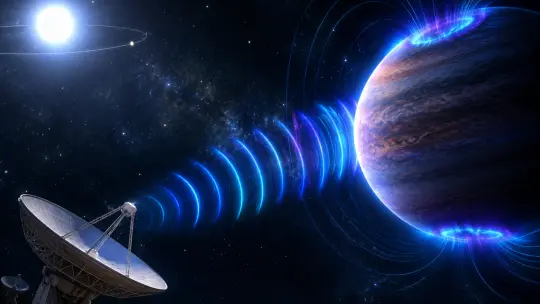
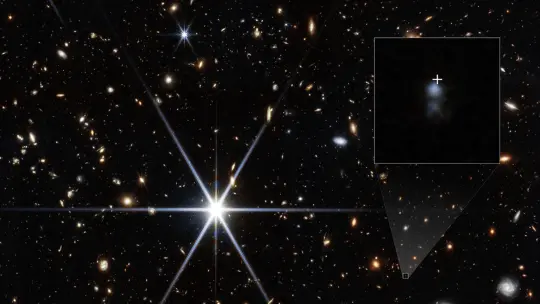
Astronomers have detected the most distant fast radio burst ever recorded, FRB 20240304B, originating 11 billion light-years away. The millisecond-long signal offers new insights into the early universe, a young dwarf galaxy, and the mysterious origins of powerful cosmic radio bursts.
Solar Storm Alert: Will Earth's Magnetic Field Face a G2 Storm?
Science

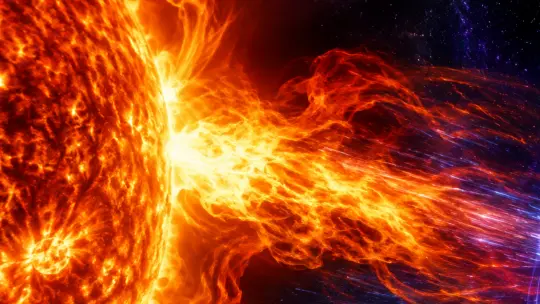
Solar Storm Alert: Will Earth's Magnetic Field Face a G2 Storm?

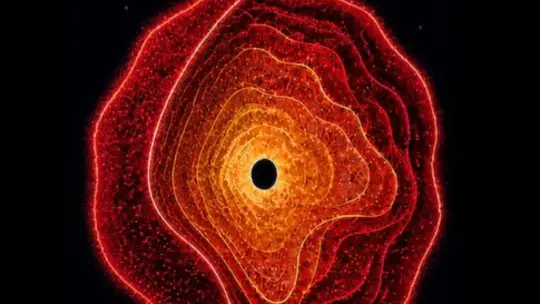
Two solar eruptions recorded on October 7 and 8 have prompted NOAA to issue a G2 geomagnetic storm watch. The incoming solar material could affect satellites, GPS accuracy and radio communications while producing auroras in some regions, but major disruptions are not expected in India.

Saturn at Opposition: Ringed Planet Shines Brightest in October 2026
Science

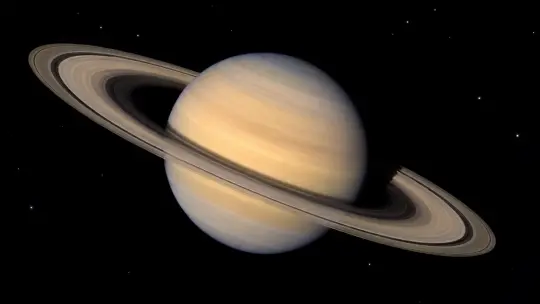
Saturn at Opposition: Ringed Planet Shines Brightest in October 2026

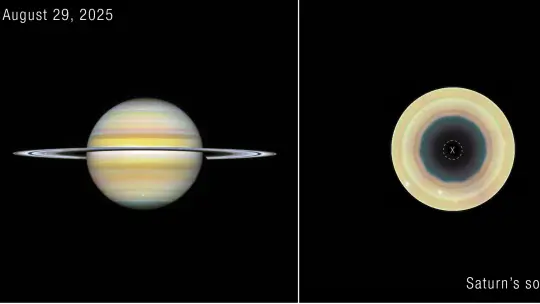
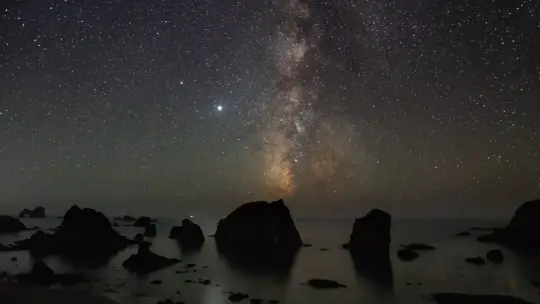
Saturn reached opposition on October 4, 2026, offering skywatchers a chance to observe the ringed planet throughout the night. Its rings may appear brighter around opposition due to the Seeliger effect, while telescopes can reveal the planet's changing ring orientation and several of its moons

NASA Launches Roman Space Telescope to Unravel Mysteries of Exoplanets
Science

NASA Launches Roman Space Telescope to Unravel Mysteries of Exoplanets

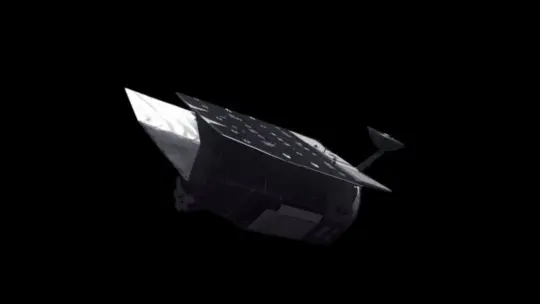
NASA has launched the Nancy Grace Roman Space Telescope to investigate dark matter and dark energy, study distant galaxies and black holes, and search for potentially habitable exoplanets. The observatory is expected to discover up to 100,000 new worlds while creating vast maps of the universe.

NASA's Rover Finds 'Honeycomb' Patterns on Mars, Check the Detail
Science

NASA's Rover Finds 'Honeycomb' Patterns on Mars, Check the Detail

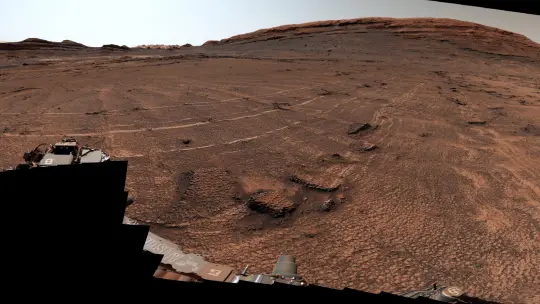
NASA's Curiosity rover has discovered a vast field of honeycomb-like polygon patterns in Mars' Valle Grande valley. The unusual formations, captured in a 360-degree panorama, may provide new clues about the planet's ancient water activity, climate changes, and potential habitability.