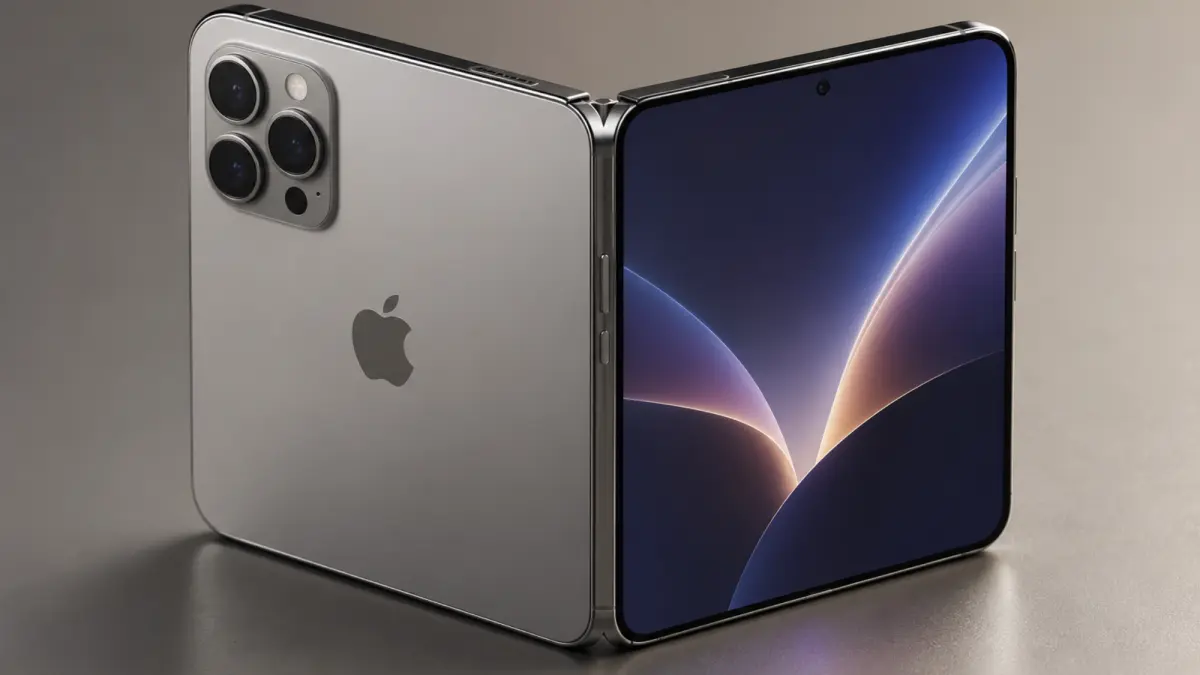
Apple may be preparing to enter the foldable smartphone market with its first-ever foldable iPhone, reportedly set to debut around the first week of September.
The company is said to be taking a different approach from its current flagship iPhones, with the foldable model reportedly using Touch ID instead of Face ID.
The reported move would mark a significant change in Apple's biometric authentication strategy while also introducing a completely new form factor to the iPhone lineup.
Apple Foldable iPhone: What to Expect
According to reports from Bloomberg's Mark Gurman, Apple is developing the foldable iPhone as an ultra-premium flagship. The device is expected to cost more than $2,000, putting it well above the pricing of Apple's existing iPhone models.
The foldable design is expected to combine a compact exterior with a larger internal display. When closed, the device should be practical for everyday tasks such as messaging and making calls. Once opened, the larger screen could provide a tablet-like experience for entertainment and productivity.
Apple is also reportedly working on software features designed specifically for the larger foldable display, including iPad-style multitasking capabilities.
Touch ID Could Return on Apple's Foldable iPhone
One of the most notable reported changes is Apple's decision to use Touch ID instead of its established Face ID system.
Face ID has been a defining security feature on recent flagship iPhones, but the foldable form factor could create engineering challenges for integrating Apple's existing facial-recognition hardware.
The reported Touch ID implementation could be integrated into the device's side-mounted power button, similar to Apple's approach on some iPads and Macs.
While fingerprint authentication may appear unusual on a premium iPhone in 2026, Touch ID remains familiar to Apple users and could offer a convenient unlocking method on a foldable device.
Foldable iPhone Design and Display
The upcoming iPhone is expected to use a sophisticated hinge system that allows the device to fold while maintaining a relatively slim profile.
Apple is reportedly focusing heavily on the hinge mechanism, durability, and the device's overall feel. The company may also prioritise a design that stays pocket-friendly when folded.
When opened, the internal display is expected to provide significantly more screen space than a conventional iPhone.
The larger panel could be particularly useful for:
The software experience is expected to adapt between the compact outer display and the larger internal screen.
Apple Enters a New Smartphone Category
The foldable iPhone could represent one of Apple's biggest hardware changes in years. Rather than simply creating an iPhone with a flexible screen, Apple appears to be positioning the device as a hybrid between a smartphone and a compact tablet.
The reported combination of a premium build, sophisticated hinge, large internal display and iPad-inspired multitasking could make the device particularly appealing to users who want a larger screen without carrying a separate tablet.
However, the reported $2,000-plus price tag and the lack of a dedicated telephoto camera could make it a niche product at first.
Apple has yet to confirm the foldable iPhone officially, so treat the reported launch timing, specifications, and pricing as unconfirmed until the company makes an official announcement.