Satellites No More Usable: Placed In Wrong Orbit, Data Loss Reported
Sophia Loren (Author) Published Date : Aug 08, 2022 10:37 ISTTechnology
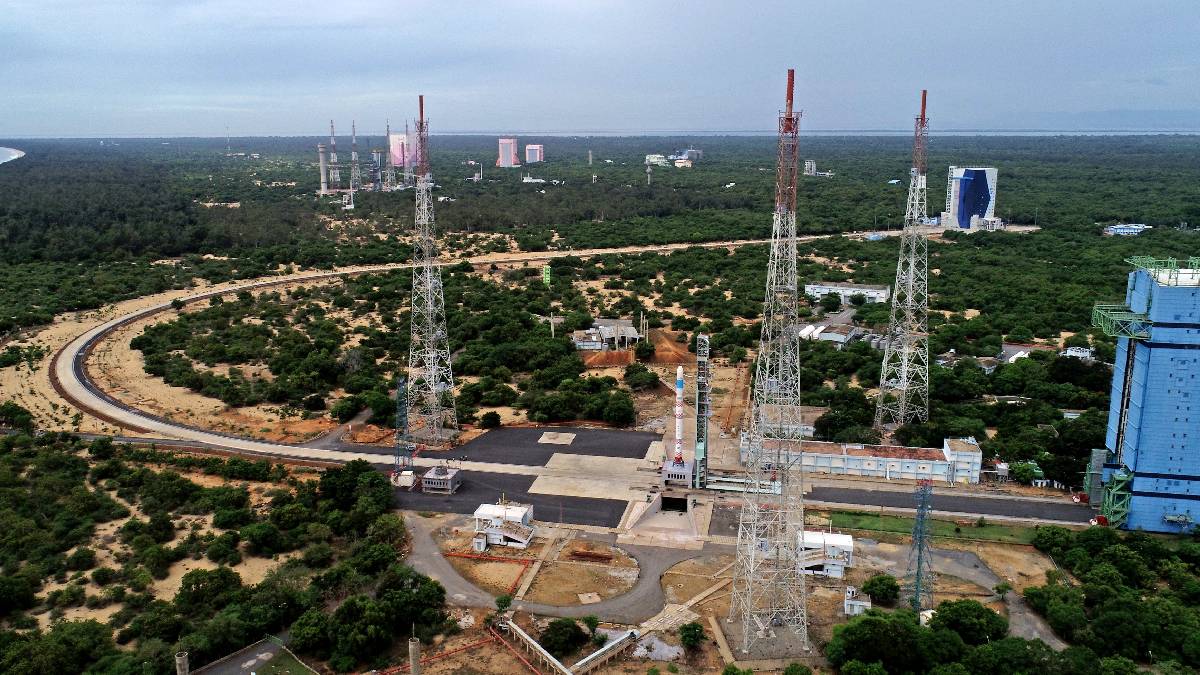
Satellites are no longer functional since they were orbited incorrectly after launching the SSLV D1 satellites into an elliptical orbit rather than a circular one on the final leg of its mission on Sunday morning, the newly built Small Satellite Launch Vehicle (SSLV) from the Indian Space Research Organisation (ISRO) experienced some data loss. According to the space agency, it cannot be used.
ISRO chief Dr S Somanath said: "There has been some data loss during the terminal phase of the mission, and we are analyzing the data. Also, we will update the status of satellites and vehicle performance soon.
The new rocket carried the 145 kg Earth observation satellite EOS-02 and the 8 kg AzaadiSat built by schoolgirls to commemorate the 75th year of independence. They were trained by an organization called Space Kidz India, through which they built a satellite. In this situation, this SSLV carried two satellites into space today. It is named AzaadiSat. It also launched the Earth observation satellite EOS-02.
The SSLV, which uses three solid-fuel-based stages and a liquid-fuel-based Velocity Trimming Module (VTM) to keep the satellite in orbit, was designed keeping in mind the rapid time required for commercial launch.
ISRO Chairman Somnath said, "This SSLV rocket has a height of 34 meters. That means it is 10 meters lower than PSLV. Its radius is 2 meters. Note that the radius of PSLV is 2.8 meters. Its weight is 120 tons. It can carry 500 kg satellites into space. It can orbit the satellite in a maximum circular orbit of 500 km.
This is the Earth observation satellite EOS-02. It will study Earth's temperature and weather. The AzaadiSat contains a total of more than 75 different small instruments. All these weigh 50 grams each. These 75 items will be tested for a variety of things, including weather testing.
A ground centre set up by Space Kidz India will analyze the data sent by satellite. SSLV rocket carrying these two satellites was launched from Sriharikota today. ISRO chief Somnath has announced that the 3rd stage of the SSLV rocket has been successfully launched today. But there is confusion as to whether the two satellites were successfully deployed.
Once the 3rd stage is completed, and the satellite is positioned, its data should reach the Earth. But before the satellites are positioned in orbit, data sharing is affected. There has been a loss of data. We are investigating the loss of data due to this. It will be announced soon whether the two satellites have been successfully grounded."