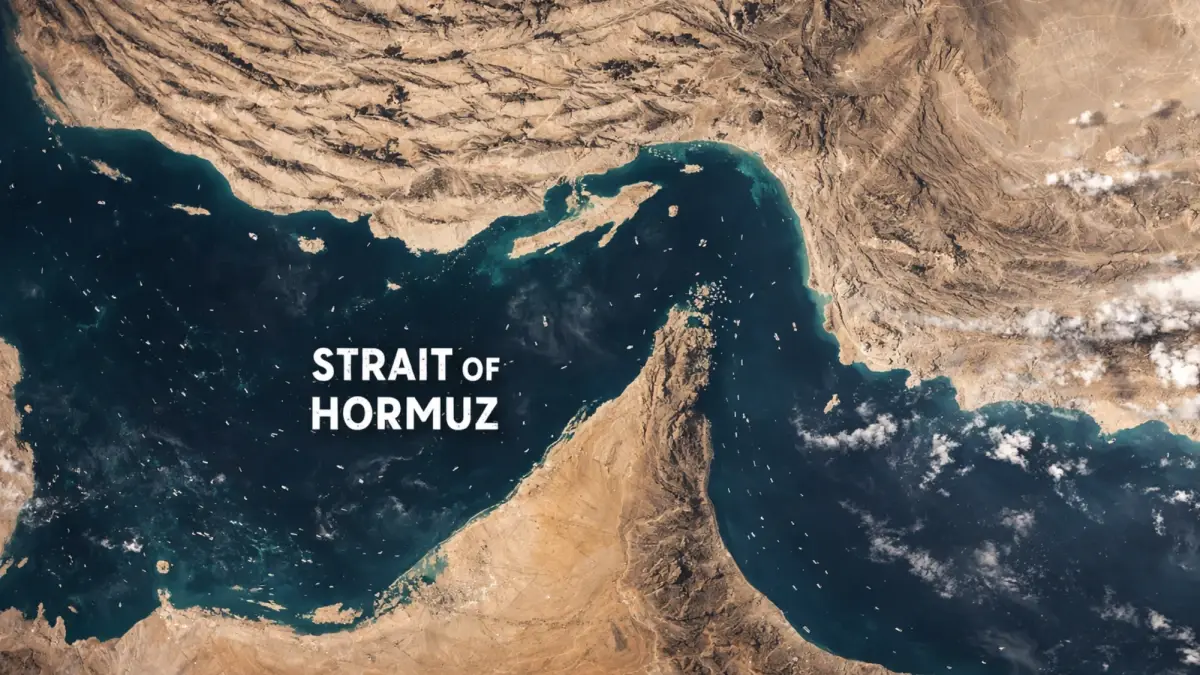
On March 22, Sunday, Iran issued a strong warning that it could completely shut down the Strait of Hormuz, one of the world's most critical oil transit routes, if the United States follows through on its threat to strike Iranian energy facilities within 48 hours.
The warning came after US President Donald Trump reportedly stated that American forces could "hit and obliterate" Iran's key power plants if Tehran fails to ensure safe and uninterrupted passage through the strategic waterway.
In response, Iran's Islamic Revolutionary Guard Corps (IRGC) declared that energy infrastructure in countries hosting US military bases would become "lawful targets." Iranian Parliament Speaker Mohammad Baqer Qalibaf further escalated the rhetoric, warning that any attack on Iran's infrastructure could trigger widespread destruction of key facilities across the region.
Iranian military officials have also indicated that US-linked energy, technology, and water infrastructure in the Gulf could be targeted if the situation intensifies. The IRGC emphasized that the Strait of Hormuz would remain closed until any damaged Iranian facilities are fully rebuilt.
A Critical Global Chokepoint
The Strait of Hormuz is one of the most vital shipping routes in the world, handling a significant share of global oil and gas supplies. Iran reportedly shut the route on February 28, and disruptions since then have already reduced tanker movement, pushed fuel prices higher, and rattled global markets.
With the possibility of a prolonged closure, countries heavily dependent on oil and gas imports from the region could face severe supply shortages.
Oil Prices Surge, Markets React
The escalating conflict has sent shockwaves through global energy markets. Brent crude prices have surged to multi-year highs, hovering around $110 per barrel after briefly touching $119 earlier in the day. Analysts warn that continued instability could keep prices volatile, driving up fuel costs worldwide and adding to inflationary pressures, including in the US economy.
Conflict intensifies on multiple fronts
The broader conflict continues to take a heavy toll. Iran has reportedly launched over 400 ballistic missiles since the war began, with around 92% intercepted before reaching their targets.
On the ground, humanitarian impacts are mounting. Iran's Red Crescent says more than 81,000 civilian homes and buildings have been damaged in US-Israeli strikes. In Israel, authorities report that over 27,000 people have been displaced due to Iranian attacks, with government agencies working to provide shelter and support.
Meanwhile, Iran-backed Hezbollah has intensified rocket attacks on Tel Aviv, prompting Israel to respond with airstrikes and ground operations in southern Lebanon.
What happens if Hormuz completely closes?
A complete shutdown of the Strait of Hormuz could have far-reaching consequences. Global oil supply chains would be severely disrupted, leading to sharp price spikes and economic strain for countries reliant on Middle Eastern energy exports.
As tensions continue to rise, the world watches closely, uncertain how long the conflict will last, and what its ultimate cost will be.