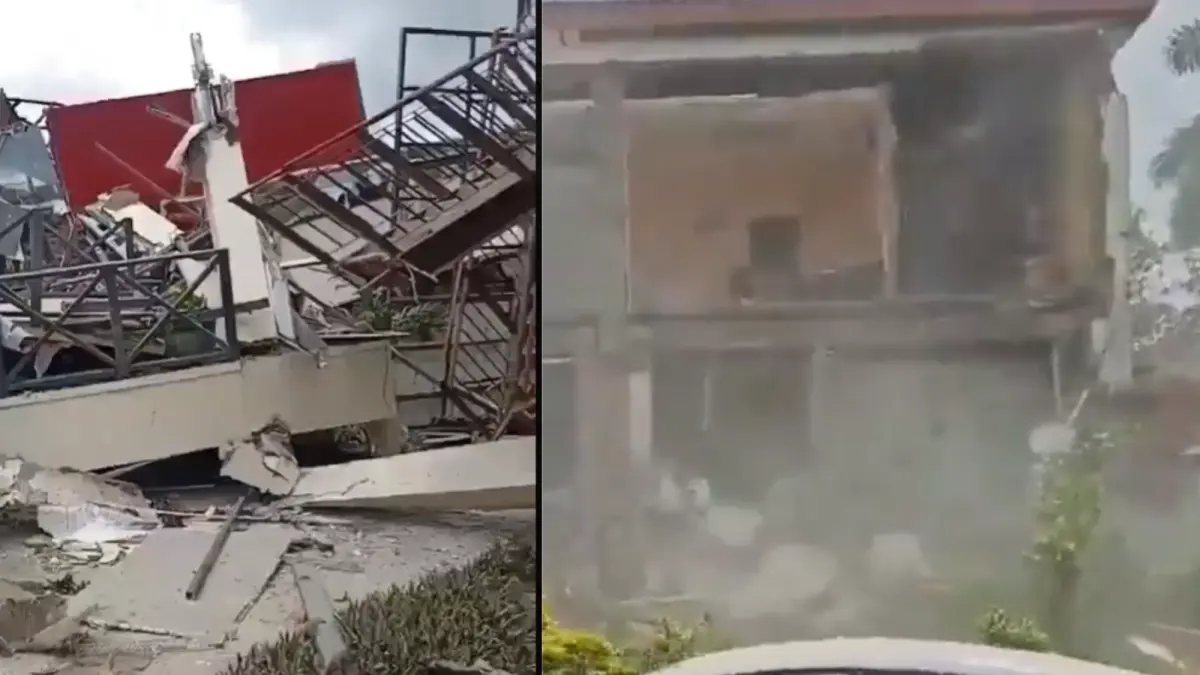
Panama was rocked by two powerful earthquakes measuring 7.7 and 6.6 in magnitude, damaging buildings, disrupting electricity supplies and affecting transport services.
More than 40 aftershocks were recorded in the hours that followed, while authorities began assessing the impact across several provinces.
The first earthquake, measuring 7.7 in magnitude, struck at a depth of 12.6 kilometres, with its epicentre in a sparsely populated area around 200 kilometres from Panama City.
A second tremor measuring 6.6 followed, adding to concerns among residents already shaken by the initial quake.
Buildings close to the first earthquake's epicentre reportedly collapsed, prompting frightened residents to rush outdoors. The tremors were felt across Panama and as far away as neighbouring Colombia, with people reporting prolonged shaking.
Despite reports of structural damage and service disruptions, no deaths or injuries had been reported at the time of the initial assessments.
The US Geological Survey (USGS) warned that casualties were possible, although the full extent of the damage remained unclear.
Electricity Disruptions and Flight Suspensions
The earthquakes disrupted electricity supplies across six provinces, while concerns over building safety affected daily activities in Panama City.
Traffic congestion worsened as offices released employees early amid fears of possible structural damage.
In Herrera province, one of the affected areas, residents worried that tremors could weaken buildings and cause them to collapse.
Tocumen International Airport, a major regional aviation hub, temporarily suspended flights following the earthquake. Operations resumed after the suspension was lifted, allowing flights to continue.
According to the USGS exposure report, around 43,000 people in Panama lived in areas facing at least severe exposure to the earthquake.
Authorities Investigate the Cause
Nestor Luque, director of Panama's Geosciences Institute, attributed the earthquake to the Azuero-Sona fault system, where pressure had accumulated over time.
Meanwhile, more than 40 aftershocks rattled the country in the hours following the initial tremor, keeping residents on alert as authorities continued to assess damage and monitor seismic activity.
Tsunami Warning Lifted
Following the first earthquake, the US tsunami warning system issued an alert over the possibility of hazardous waves reaching parts of the Pacific coast.
The warning covered areas of Panama, Colombia, Costa Rica, Ecuador, Peru, Nicaragua, Guatemala, El Salvador and Mexico, where potentially dangerous waves could have arrived within three hours.
Authorities later declared the tsunami threat over, saying no further tsunami danger was expected from the event.
While lifting the warning eased concerns about coastal flooding, officials continued to assess the earthquake's impact as Panama dealt with damaged buildings, power disruptions, and a series of aftershocks.