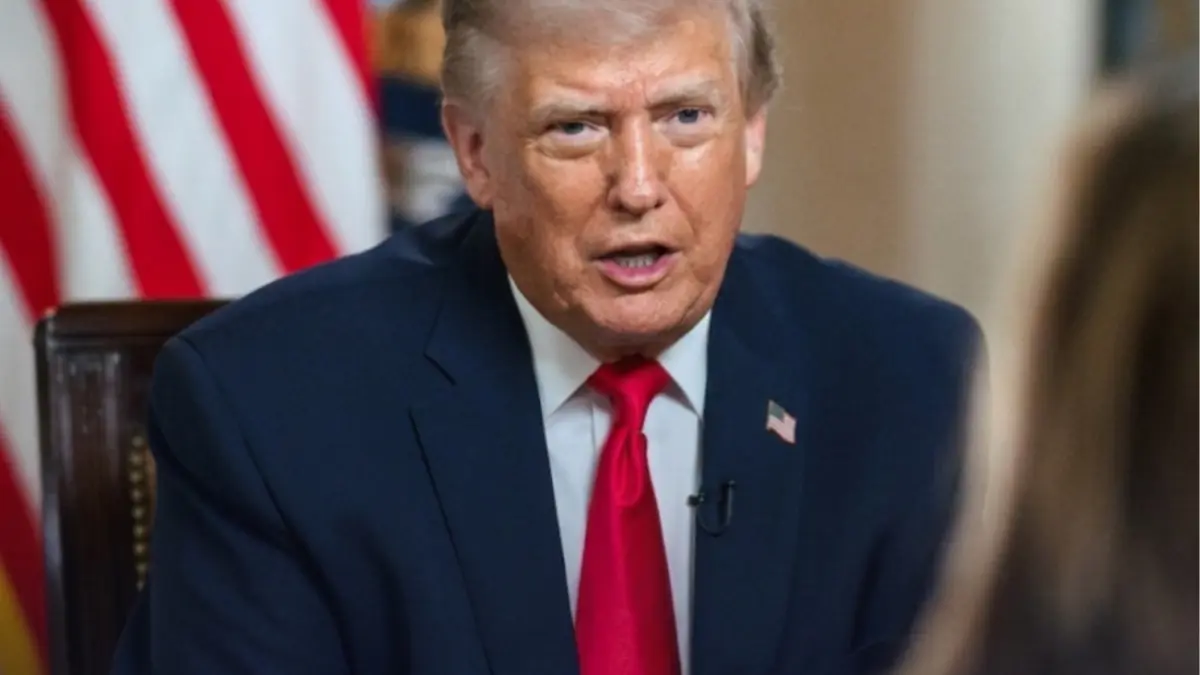
The U.S. President Donald Trump administration asserted that the U.S. is not at war with Iran. He also claims that there is no need for congressional authorisation, arguing that the U.S. is not active in hostilities.
What is Congress's 60-day deadline for the U.S.?
The "60-day war powers deadline" comes from the War Powers Resolution, a U.S. law that limits how long a president can use military force without congressional approval.
Under this law, once U.S. troops are introduced into hostilities or situations where conflict is likely, the president must notify Congress within 48 hours, and a 60-day countdown begins.
Within that period, the president is required to either obtain congressional authorisation to continue military operations or withdraw the forces, with a possible 30-day extension for safe disengagement.
Background story of the 60 Day clock time
The conflict began on February 28 when Israel and the United States executed joint strikes on Tehran and several other Iranian cities, resulting in the deaths of Iran's then Supreme Leader, Ali Khamenei, along with senior military officials and civilians.
In response, Iran launched attacks on Israel and U.S. military installations in nearby Gulf nations, and also halted a significant commercial shipping route through the Strait of Hormuz.
On March 2, President Donald Trump informed Congress about the military operations against Iran, with May 1 marking the 60-day deadline set by the U.S. War Powers Act. At that point, the president must begin de-escalating military engagements unless he secures congressional approval, according to reports.
The ceasefire claim from the U.S. admin
Pete Hegseth, the defence secretary, has stated that the United States is not engaged in war with Iran, despite the ongoing stalemate in the Middle East conflict impacting markets globally and driving oil prices to record levels.
These comments from Trump's team emerged as the deadline for congressional approval of military action approaches. They argue that a ceasefire with Iran essentially "pauses" the legal requirements for this congressional approval.
Earlier, U.S. housekeeper Mike Johnson also stated the same when questioned. He reported that "I don't think we have an active, kinetic military bombing, firing or anything like that. Right now, we are trying to broker a peace."
Now, Pete Hegseth has stated the same thing: the U.S. is not active in the war; however, it was in the ceasefire, which halted the war and may have affected the 60-day clock.
The war has affected the global economy in many ways, including the economic growth of various countries. With the May 1 threshold reached and yet no final decision, the U.S. appears to be on a hopeless future and a mapless route. It is unclear whether the U.S. will participate in the war or stay out, intensifying legal and political debate.