The Middle East conflict has entered a dangerous new phase as violence sharply escalates following the killing of top Iranian leaders and a series of retaliatory attacks across the region.
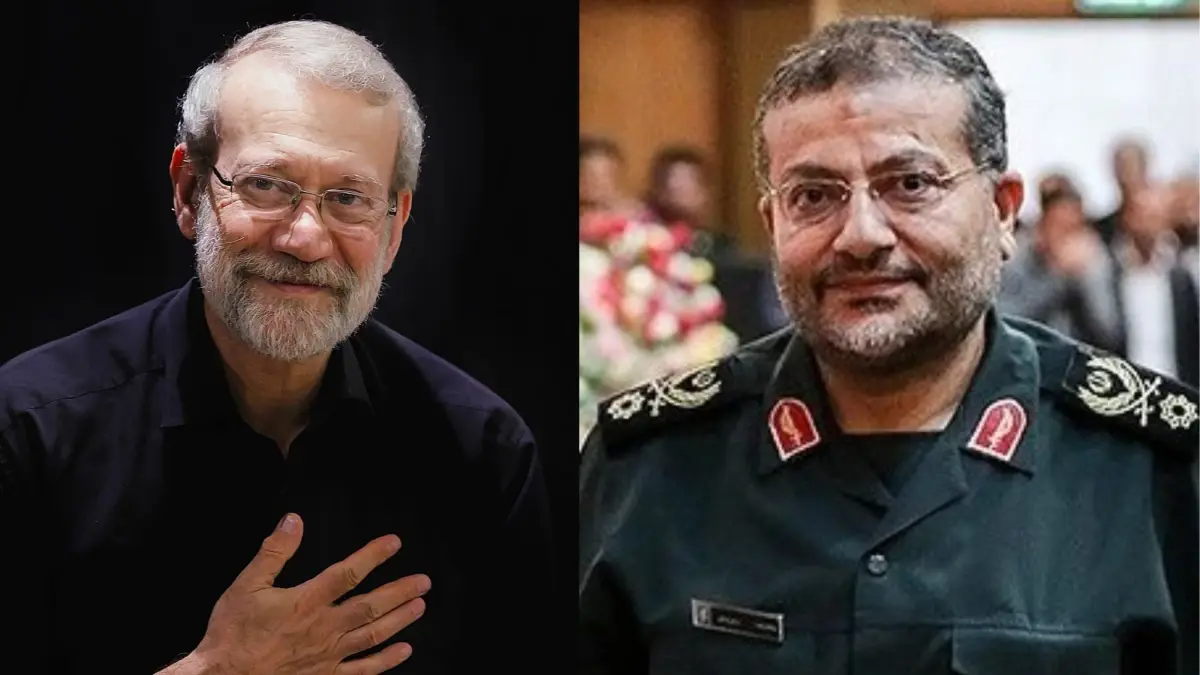
Iran is reeling from the death of one of its most influential political figures, Ali Larijani, who was killed in an Israeli airstrike on March 17. His death has triggered a wave of retaliation from Tehran, which has vowed revenge for what it calls a targeted assassination of its leadership.
In another major blow, the head of Iran's powerful Basij paramilitary force, Gholamreza Soleimani, has also been reported killed, further intensifying tensions.
In response, Iran launched fresh ballistic missile attacks targeting central Israel, resulting in at least two reported deaths. The strikes mark a significant escalation, signalling Iran's intent to respond forcefully to the loss of its senior leadership.
Meanwhile, the United States has become more deeply involved in the conflict. US forces carried out strikes on Iranian missile installations near the strategic Strait of Hormuz, reportedly using massive 5,000-pound guided bombs.
The move underscores Washington's increasing military involvement in the region, particularly in safeguarding key maritime routes.
Military movements are also underway, with a US warship believed to be carrying marines and sailors spotted near the Malacca Strait off Singapore on March 17, heading toward the Middle East. This deployment suggests preparations for a broader operational presence.
Tensions are not limited to Iran and Israel alone. In Lebanon, Israeli forces have continued their offensive against Hezbollah targets. According to Lebanon's Health Ministry, at least six people were killed and 24 others injured in two separate strikes on central Beirut.
Adding to global concern, a projectile reportedly struck an Iranian nuclear power plant, although UN officials confirmed that no damage was recorded. The incident has heightened fears of a potential nuclear-related escalation.
Back in Iraq, renewed activity has been reported near the US Embassy in Baghdad, raising alarms about the widening scope of the conflict.
Iran's Foreign Minister Abbas Araghchi has attempted to project resilience, stating that Tehran's political system remains strong and that the assassination of its leaders will not weaken the country. However, the rapid sequence of attacks and counterattacks suggests a volatile and unpredictable situation.
A senior US intelligence official appointed by President Donald Trump abruptly resigned, citing concerns over the administration's handling of the war with Iran. Trump responded bluntly, calling the resignation "a good thing."
The US President has also stirred controversy by criticising NATO and allied nations, claiming that the United States no longer needs or desires their support in the ongoing conflict, despite earlier calls for assistance.
As strikes, counterstrikes, and political tensions continue to mount, the region stands on edge, with fears growing that the conflict could spiral into a broader and more devastating war.